We look beyond the spot
The moisture source, material layers, connected rooms, timing, and access all matter when defining the work.
 INDIANAPOLIS PROPERTY RESPONSE
MOLD REMEDIATION WITHOUT THE GUESSWORK
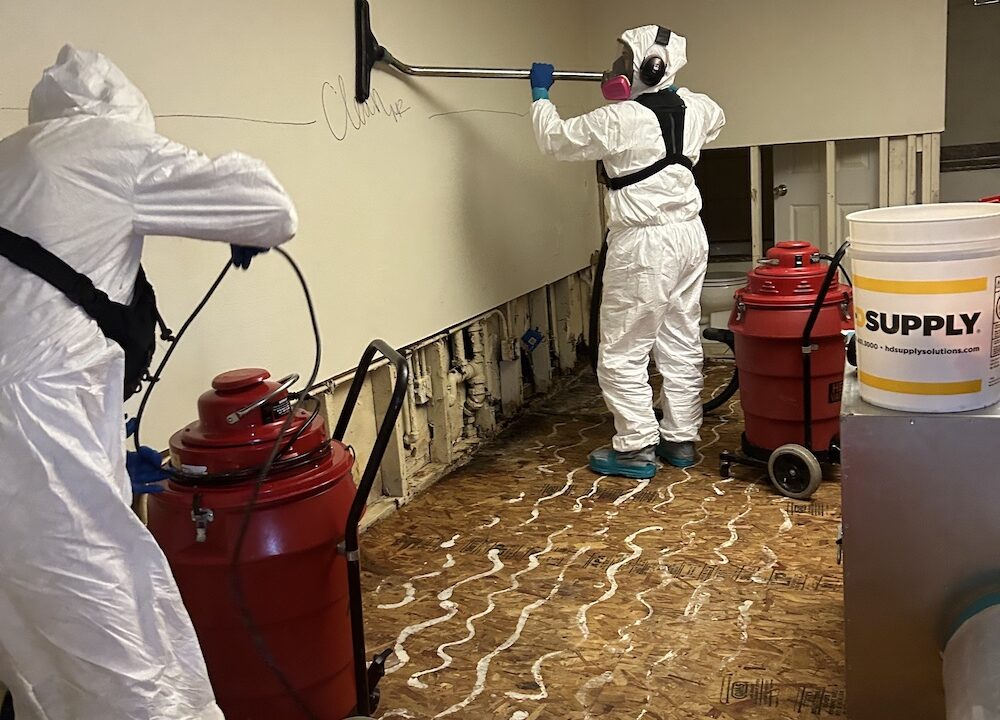
Mold is stressful because the visible area rarely answers the big questions: how far it goes, why it started, and what will keep it from returning. We connect the moisture source, affected materials, containment, cleanup, and drying into one practical plan.
Get direct help by phone(317) 683-7567WHY PROPERTY OWNERS CALL
Mold is stressful because the visible area rarely answers the big questions: how far it goes, why it started, and what will keep it from returning.
The moisture source, material layers, connected rooms, timing, and access all matter when defining the work.
You should understand what is being considered, why it belongs in the sequence, and what remains uncertain until the area is evaluated.
Containment, cleaning or removal, drying, final cleanup, documentation, and repair preparation belong in one coordinated response.
A CLEARER WAY FORWARD
Start with the room, timing, odor, visible condition, water history, and anything already attempted.
Connect possible sources to affected materials, adjacent spaces, and concealed assemblies.
Define containment, handling, cleaning or removal, and drying needs from actual conditions.
Complete cleanup, document useful conditions, and prepare the area for the repairs it needs.
MOLD REMEDIATION SERVICES
The response is shaped around the property—not a canned package.
Connect the visible concern to leaks, humidity, condensation, drainage, or an earlier water event.
Consider nearby rooms, material layers, wall or ceiling cavities, flooring, cabinets, and other connected spaces.
Create a work boundary that helps keep dust and disturbed material separated from unaffected areas.
Clean materials that can reasonably be cleaned and remove affected porous material when its condition calls for it.
Address remaining dampness before finishes are closed and repair work begins.
Finish the work area, organize useful condition documentation, and prepare the space for needed repairs.
SERVING INDIANAPOLIS, IN
Finished basements, crawlspaces, attics, plumbing lines, roof assemblies, and mechanical areas each hold moisture differently. Indianapolis weather can add storm entry, freeze-thaw stress, and seasonal humidity to the story.
Call with the address-free basics: the room, material, visible change, odor, timing, and recent water history.
INSURANCE & DOCUMENTATION
We can help organize photographs, moisture or condition information, and restoration scope details, then coordinate with your adjuster when requested. Coverage, deductibles, and payment decisions remain subject to your policy and carrier.
Call before the details get harder to track(317) 683-7567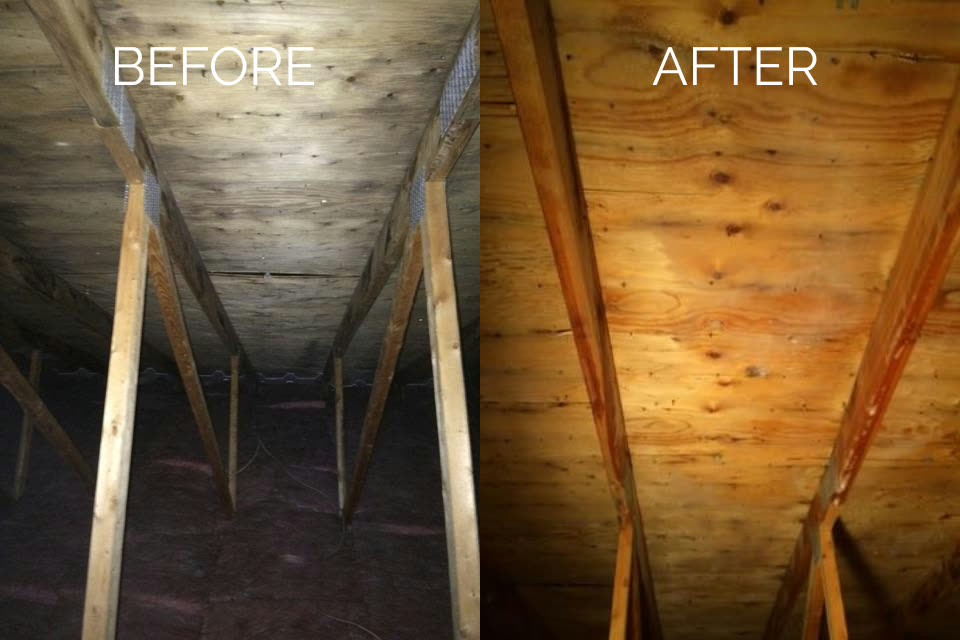
Share the leak, humidity, condensation, storm, appliance, or plumbing history—even when the event seemed minor.
Talk through the history →Odor, staining, softness, peeling, swelling, and recurring spots help organize the timeline.
Think about the rooms and material layers above, below, beside, and behind the visible area.
STRAIGHT ANSWERS
The process depends on the moisture source, affected materials, access, and extent found at the property. It may include investigation, source correction, containment, cleaning or removal, drying, final cleanup, and repair planning.
Surface treatment does not correct an active leak, condensation, high humidity, or damp material. If the moisture condition remains, the visible problem can return.
It can be present in concealed or adjoining materials when moisture travels beyond the visible area. The building history, symptoms, materials, and access help determine what deserves closer evaluation.
We can help organize photographs, condition information, moisture findings, and restoration scope details and communicate with an insurance adjuster when requested. Coverage and payment decisions remain subject to your policy and carrier.
If it is safe, stop an active water source and avoid disturbing a large or uncertain area. Note the room, odor, visible changes, recent leaks or storms, and anything already cleaned, dried, removed, or repaired.
Call (317) 683-7567. Describe what you see or smell, where it is, when it appeared, and any water or humidity history. No form or text message is required.
THE NEXT STEP IS SIMPLE